Construction Notices: Why Early Warning Shouldn’t Mean a Claim Is Coming
A notice doesn't have to mean a claim is coming. Why sending it early, with strong records behind it, protects both sides of a construction contract.
.png)
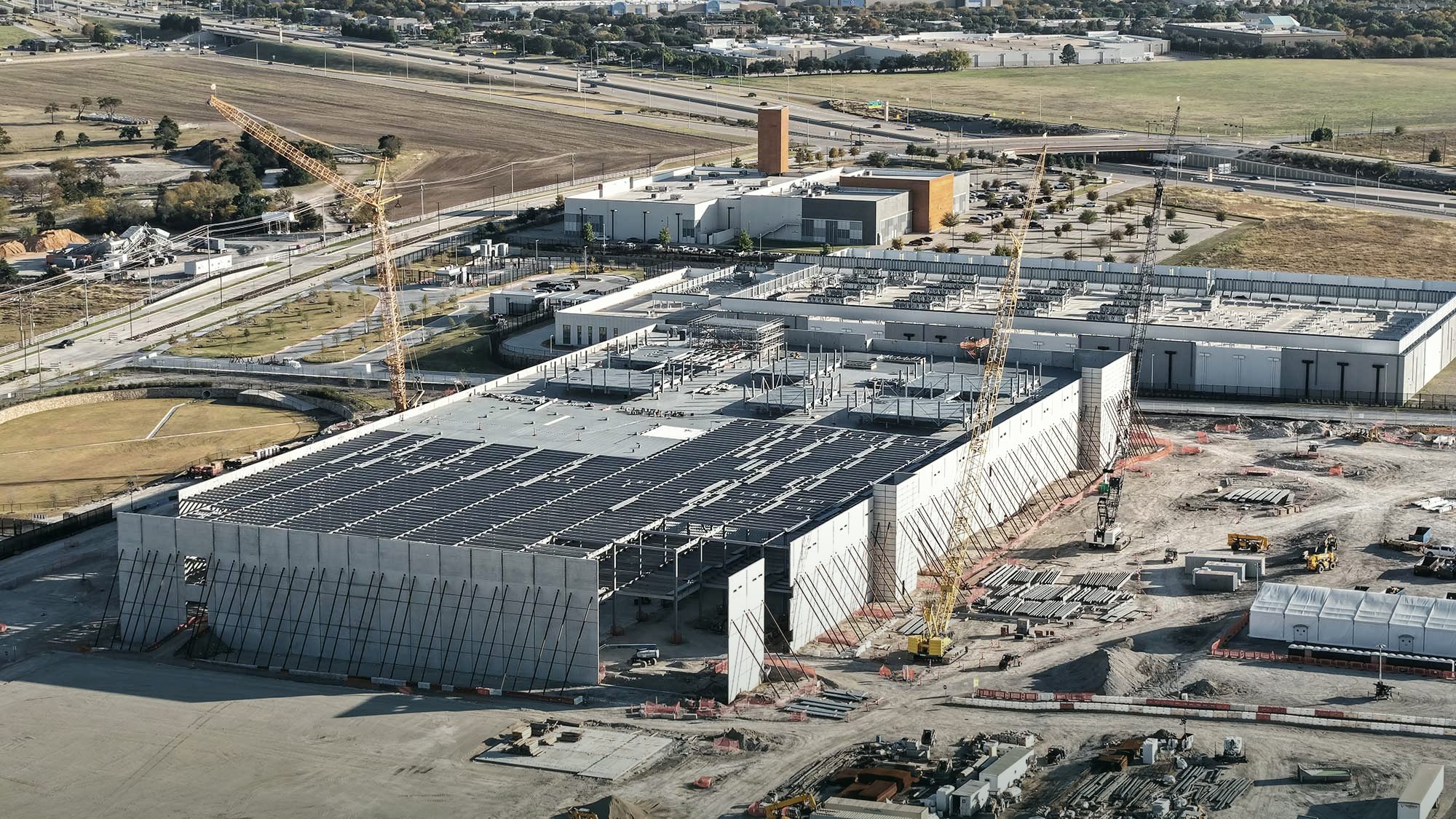
A notice doesn't have to mean a claim is coming. Why sending it early, with strong records behind it, protects both sides of a construction contract.

Let’s talk about something awkward in Irish construction.
Notices.
Here’s my two cents from speaking to contractors and clients across pharma, fit out, public works and data centres.
Contractors can be operating on margins of around 2–5%. They’re thin. We want to avoid disputes because they can take a massive bite out of those margins, or wipe them out completely.
At the same time, when I speak to subcontractors and contractors, I hear the same thing again and again:
“We just want to get paid for the work we’ve done.”
Seems fair.
But it’s not as simple as that.
When I started Scopey, I connected with Mark Kehoe. Mark is a Quantity Surveyor with a master’s in construction law and has worked on disputes from €1m to over €50m, particularly around delay, disruption and additional works.
He’s prepared expert reports and been involved in mediation, adjudication, arbitration and litigation. He’s also an accredited mediator, so a big part of his work has been understanding how issues escalate into disputes and, importantly, how they could have been avoided in the first place.
Mark is now a board adviser to Scopey and has helped shape the product from the beginning, looking at it from both the contractor and client side.
And a lot of what he’s taught me comes down to three pretty simple things:
1. Do what the contract says.
2. Keep strong records.
3. Send the notice.
In fact, I’ve spoken to quite a few people who deal with construction disputes and they all say some version of the same thing:
Send the damn notice.
And I think this is where construction sometimes gets notices wrong.
A notice doesn’t have to mean a claim is coming.
In many cases, it’s doing exactly what the contract intended: making sure both sides know about something early enough to actually do something about it.
And not all notices are the same.
Different construction contracts deal with notification in very different ways.
Under NEC, you might be giving an Early Warning or notifying a Compensation Event.
Under FIDIC, it could be an Advance Warning or a Notice of Claim.
Under Public Works Contracts, you might be dealing with a Clause 10.3 claim notice.
RIAI contracts work differently again. Depending on what has happened, you might be confirming an instruction or variation in writing, notifying an Employer act or default, or giving notice of something delaying the works.
They’re not interchangeable and they don’t all mean a claim is coming.
But there is a common thread:
The contract tells you what needs to be communicated, when it needs to be communicated and sometimes what happens if you don’t.
But subcontractors tell another story.
I’ve heard things like:
“Oh yes, we can do that for this client on this type of project. But if we send one notice to this client, we can expect three back.”
It’s a balancing act.
So subcontractors figure out a compromise.
Maybe they have another process where the client isn’t “surprised” by a notice. Maybe they talk about it first. Maybe they hold the notice back altogether.
And on some projects in Ireland, I can see where they’re coming from.
But there’s a question worth asking:
Is your client friendly compromise still doing what the contract requires, or could it leave you exposed if something does go wrong?
Because good contract administration shouldn’t be about gearing up for a dispute.
It should help deal with issues early. And if someone is legitimately entitled to additional time or money, make sure that’s dealt with properly too.
It’s also been really interesting hearing the client side on some massive data centre builds across Europe.
It’s a different story.
These clients care deeply about schedule.
They’re forecasting risk weeks and months in advance and can see which weeks could potentially mean millions in the red.
So what they really don’t want is to find out about an issue when it’s already become a delay.
They want to know early, while there are still options to mitigate it, change sequence, add resources or make a decision before it hits the programme.
Now think about what happens when a contractor sends through a late notice with weak records and hasn’t followed what the contract said to do.
Something that could have been pretty clear and logical suddenly isn’t.
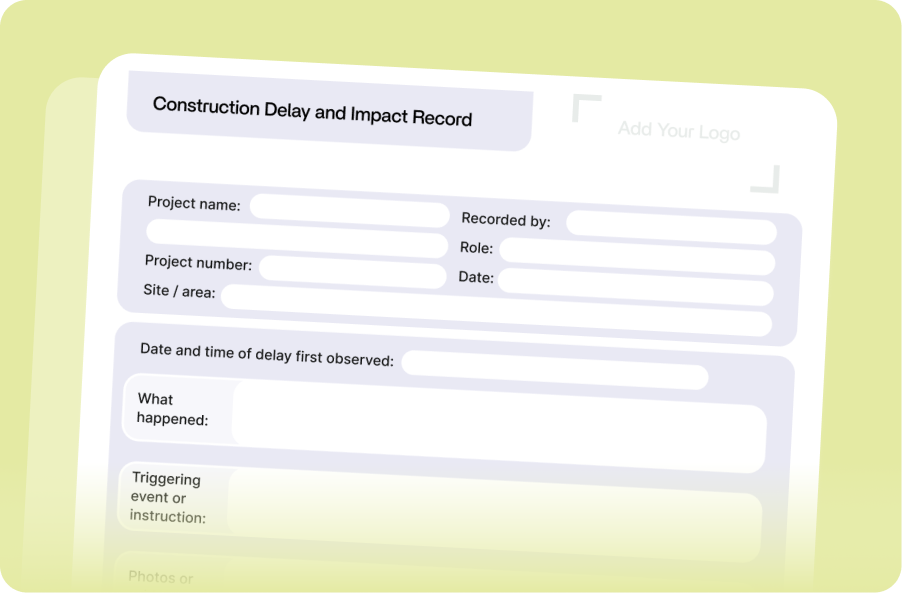
The contract might clearly ask for the awareness date, records, timelines and an early warning as soon as you become aware, or within a certain period.
There’s a reason for that.
The earlier everyone knows about the risk, the more chance there is to do something about it.
And on a major data centre project, where schedule is everything, that matters.
It also works both ways.
The client side has contractual obligations too.
If something is going to delay the contractor, change sequence or affect the works, they need to communicate that as well.
The best way I’ve started thinking about notices is actually much simpler than all the contractual language around them.
It’s a heads up.
This has happened.
This is when we found out.
This is what we think it could affect.
Here’s what we know so far.
Then both sides have a chance to deal with it before it turns into something bigger.
Of course, a massive data centre project is very different from a council delivering a local infrastructure project.
And some clients, for whatever reason, still see notices as an annoyance.
In those cases, handle the relationship how you think is right.
But always make sure you have strong records and communication behind you.
Because I’ve also heard the stories from the other end.
Issues that became disputes, wiped out the profit on a project, and years later the contractor is still trying to claw back some of what they believe they were entitled to.
And a lot of the time, their position could have been much stronger with something pretty simple:
A notice sent when it should have been.
Strong records of what actually happened.
That’s why I keep coming back to the same thing.
Good contract administration shouldn’t be something you reconstruct years later when there’s a dispute.
It should be happening while the work is happening.
What did the contract say to do?
What actually happened?
And did everyone know early enough to do something about it?
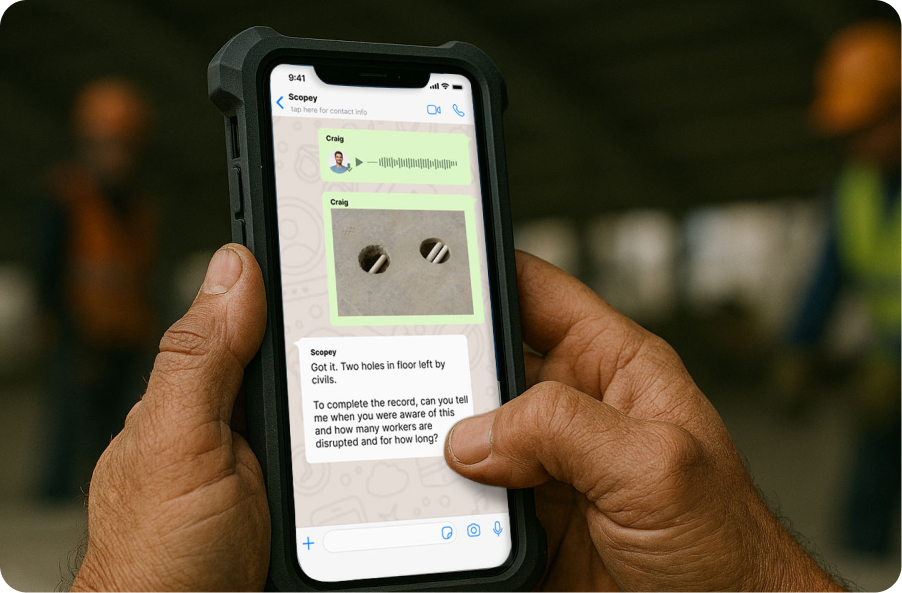
See how Scopey helps teams keep strong records as the work happens. Book a demo.

Developed alongside forward-thinking construction teams and project leaders who want to simplify reporting, strengthen compliance, and stay ahead of risk.
Let’s talk.

Commercial intelligence for complex construction projects.
©2026 Scopey Onsite. All rights reserved.






.png)